
Many people use the terms teeth whitening and bleaching interchangeably, yet dental professionals draw a clear line between them. Smiles Unlimited Dentistry, Rockville Centre, NY, notes that whitening toothpastes are only somewhat effective at removing stains, often producing just minor changes in brightness. That gap between expectation and result is exactly where the difference between whitening and bleaching matters. Understanding how each approach works helps patients set realistic expectations and avoid spending months on products that cannot deliver the change they want.
Whitening Restores a Tooth’s Natural Surface Color
In dental terms, whitening describes any process that returns teeth to their natural color by removing surface debris and stains. Whitening toothpastes, professional cleanings, and polishing all fall into this category. These methods rely on mild abrasives or chemical agents that lift discoloration sitting on the outer enamel.
Whitening works well for light staining from daily habits, but its effect is limited. Because it cannot change the underlying shade of a tooth, most people notice only modest improvement, especially when stains have built up over years. Whitening toothpastes also require consistent use, and products with heavy abrasives may not suit people with weakened enamel.
Bleaching Lightens Teeth Beyond Their Natural Shade
Bleaching uses peroxide-based agents, typically hydrogen peroxide or carbamide peroxide, to penetrate the enamel and break apart stain molecules inside the tooth. This allows teeth to become lighter than their original color, which surface whitening cannot achieve.
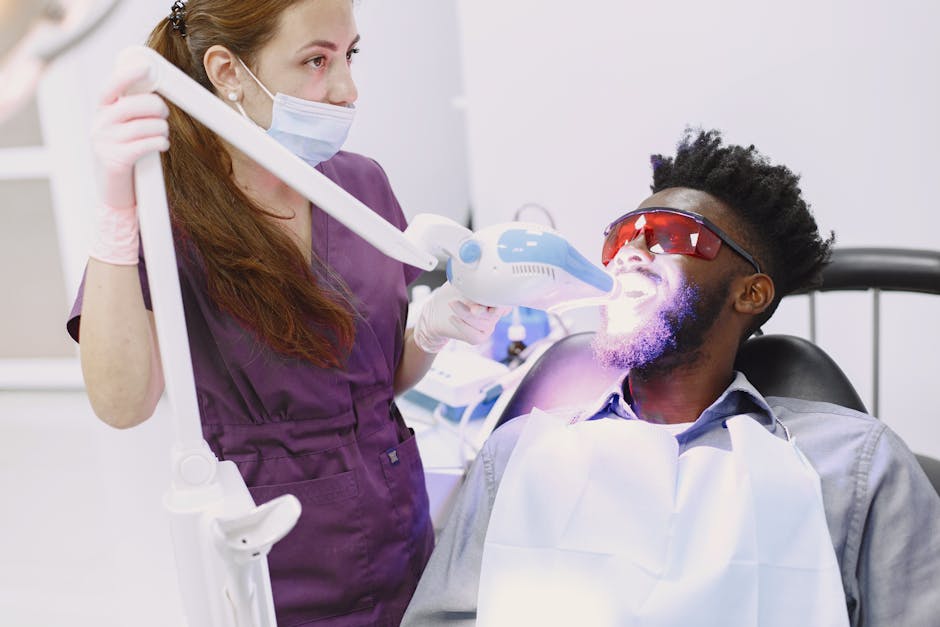
Professional bleaching comes in several forms. In-office treatments apply a concentrated gel, sometimes activated with a light or laser, and can lighten teeth noticeably in a single visit. Custom bleaching trays and take-home systems use lower concentrations over days or weeks, giving patients flexibility while still producing gradual, meaningful change. Over-the-counter kits also contain bleaching agents, though they tend to work better when a dentist monitors their use.
How Results, Timing, and Comfort Compare
The main tradeoff between the two approaches comes down to strength and speed. Surface whitening is gentle and easy to fit into a daily routine, but it produces subtle results. Bleaching delivers a more dramatic change, and when performed properly, professional results can last as long as five years.
Timing also differs. An in-office bleaching session usually takes about an hour, while tray-based treatments may run for two to three weeks before reaching the desired shade. Bleaching can cause temporary tooth sensitivity, particularly with higher-concentration gels, though this usually fades within a few days. A dental exam beforehand matters, since cavities, gum problems, or exposed roots can make bleaching uncomfortable or less effective. Existing crowns and similar restorations generally keep their original shade, so patients with visible dental work should plan around it.
Matching the Treatment to the Type of Stain
Stains generally fall into two groups. Extrinsic stains sit on the enamel surface and often come from coffee, tea, red wine, and tobacco. Intrinsic stains form within the tooth and may result from aging, certain medications, excess fluoride during childhood, or trauma.
Extrinsic stains often respond to whitening and professional cleanings, while deeper or long-standing discoloration usually requires bleaching. Some intrinsic stains, especially gray or brown tones linked to medication or injury, may resist bleaching altogether. In those cases, cosmetic options such as porcelain veneers or bonding can cover discoloration rather than attempt to lighten it. A dentist can usually identify the stain type during an exam, which prevents patients from choosing a method that will not work for their teeth.
Protecting a Brighter Shade After Treatment
Results from either approach fade faster when staining habits continue. Limiting dark beverages, soy sauce, tomato-based dishes, red wine, and dark chocolate helps preserve a new shade, as does avoiding tobacco. Drinking dark beverages through a straw, rinsing with water after staining foods, brushing twice daily, and keeping up with regular cleanings all reduce new buildup. Occasional touch-up treatments with trays can also extend results between professional sessions.
Readers weighing whitening against bleaching can review the treatment methods described on Smiles Unlimited Dentistry’s website.
Smiles Unlimited Dentistry
stephanielrichman@gmail.com
+15165942111
214 Maple Avenue
Rockville Centre
NY
11570
United States


