
Key Takeaways
- Checking the breaker panel and talking to neighbors is the fastest way to tell if an outage is isolated to one home or spread across the neighborhood.
- Auburn residents can report outages directly to the Auburn Electric outage hotline at (260) 925-8232.
- A closed refrigerator keeps food cold for about 4 hours; a full freezer holds its temperature for about 48 hours, while a half-full freezer holds it for about 24 hours during an outage.
- Portable generators should always run outdoors, with exhaust directed away from windows, doors, and vents, to prevent carbon monoxide poisoning.
- Frequent breaker trips or lingering electrical problems after power returns are signs it’s time to call a licensed electrician, a step Mister Sparky of Fort Wayne can help homeowners with
When the lights flicker and go dark in Auburn, the first few minutes matter most. Knowing exactly what to check, who to call, and how to keep the household safe can turn a stressful situation into a manageable one. This guide walks through a simple, step-by-step approach so homeowners can respond with confidence rather than guesswork.
First Minutes: Confirm the Outage
Before assuming the whole street has lost power, it helps to rule out a problem that’s contained to one house. A quick check can save time and point homeowners toward the right next move.
Check Your Breaker Panel
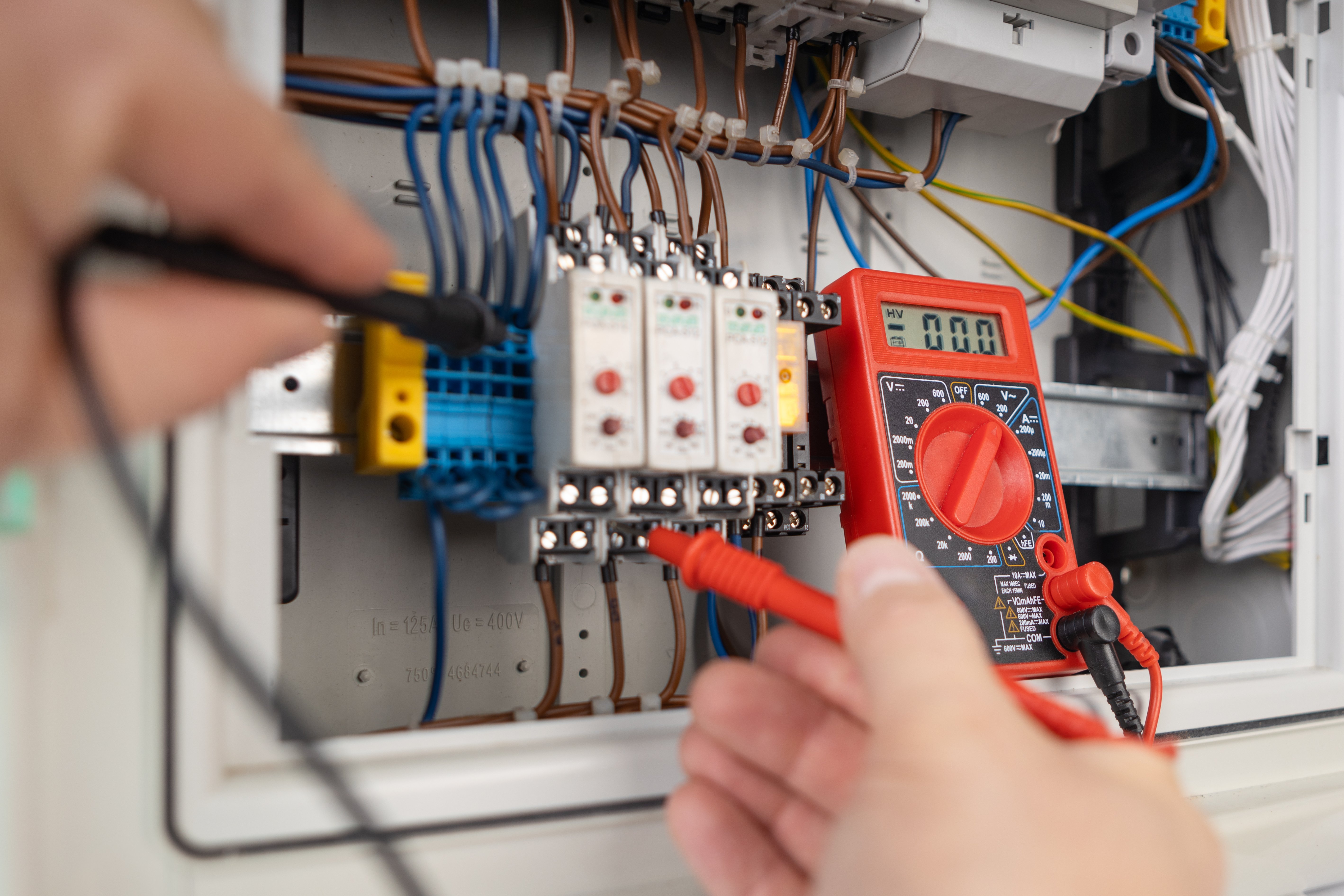
Head to the main electric panel first. A tripped breaker is often the culprit, and it usually means a circuit got overloaded or a fault occurred somewhere along the line. Flip the breaker back into position, but disconnect whatever appliance may have caused the overload before resetting it. If the same breaker trips again and again, that’s a signal worth paying attention to rather than ignoring – a licensed electrician should take a look, since repeated trips can point to wiring issues that get worse over time.
Ask Neighbors and Watch Street Lights
If the breaker panel looks fine but the house is still dark, the outage likely extends beyond one property. Look outside for a clue: are streetlights off, too? Are neighboring homes dark? A quick call or text to a neighbor can confirm whether the whole block, or even a larger part of Auburn, has lost power. This information helps determine whether the issue is a local utility problem rather than something tied to one home’s wiring.
Report It: Who to Call
Once it’s clear the outage reaches beyond the breaker panel, reporting it quickly helps crews respond faster and gives homeowners a sense of what to expect.
Auburn Electric Outage Hotline: (260) 925-8232
Auburn Electric, the city’s municipal utility, handles power issues for its customers, including outages caused by downed trees, broken poles, and equipment failures. Residents served by Auburn Electric can contact the utility at (260) 925-8232, which helps crews pinpoint affected areas and prioritize repairs. Homes outside its service area should contact their own provider. Restoration times depend on the cause, so saving the utility’s number alongside other emergency contacts makes it easy to reach out the moment the lights go out.
Downed Power Lines: Stay 35 Feet Back
Severe weather or falling branches can bring power lines down, and these should always be treated as if they’re live, even if they look harmless. Staying at least 35 feet away is the safest practice, and calling 911 along with the local utility right away ensures the area gets roped off and repaired quickly.
Protect Your Home and Family
With the outage reported, attention turns to protecting the house itself and keeping everyone inside comfortable until power returns.
Unplug Appliances to Avoid Surge Damage
Switching off or unplugging major appliances and electronics protects them from power surges that can occur the moment electricity comes back on. This step also removes the risk of a stove or iron being left on accidentally, which could become a fire hazard once power is restored. Televisions, computers, and other sensitive electronics benefit most from this precaution, since sudden surges can shorten their lifespan or cause permanent damage.
Keep Fridge and Freezer Doors Shut
Every time the refrigerator door opens, cold air escapes and the clock on food safety speeds up. A closed refrigerator keeps food safely cold for about 4 hours. A full freezer holds its temperature for roughly 48 hours, while a half-full freezer holds it for about 24 hours. Packing perishables into a cooler with ice is a smart backup plan if the outage stretches on longer than expected.
Generators and Carbon Monoxide Risks
Generators can be a lifeline during a prolonged outage, powering refrigerators, medical devices, and basic comforts. They also come with serious risks if used incorrectly. A generator should always run outdoors, with exhaust directed away from windows, doors, and vents, to keep carbon monoxide from drifting into the home. Running a generator in a garage, even with the door open, is never safe, since carbon monoxide can build up quickly and silently.
Gas stoves and ovens should never be used as a heating source during an outage, either, since this combination of fire risk and carbon monoxide buildup has led to tragic outcomes in many households. Letting a generator cool completely before refueling also helps prevent accidental fires. These precautions take only a few extra minutes but carry enormous weight for keeping a family safe.
Staying Connected and Ready
Staying informed during an outage keeps stress levels down and helps households make smart decisions about food, medication, and safety.
Conserve Phones, Use Radios and Walkie-Talkies
Cell phones become a lifeline during an outage, so conserving battery life matters more than usual. Switching to airplane mode when not actively using the phone, dimming the screen, and limiting app use can stretch battery life considerably. A battery-operated or hand-crank radio provides updates on restoration timelines without draining a phone, and walkie-talkies offer a simple way to stay in touch with family members across the house or neighborhood.
After the Lights Come Back On
Power coming back on feels like relief, but a few quick checks help make sure the household transitions back to normal safely.
Check Food and Medication Safety
Any perishable food that sat above 40 degrees Fahrenheit for two hours or more should be thrown out, along with anything showing an unusual smell, color, or texture. After an extended outage, check with a pharmacist or doctor before using medications that require refrigeration, since some can be kept at room temperature for a limited time while others may need replacing.
When to Call a Licensed Electrician
If a breaker keeps tripping after power returns, or if lights flicker, outlets feel warm, or appliances behave oddly, these are signs of an underlying electrical issue rather than a simple fluke. A licensed electrician can inspect the panel, wiring, and connections to catch problems before they turn into bigger, more expensive repairs. Persistent issues following a storm or outage are worth addressing quickly, since electrical faults tend to worsen rather than resolve on their own.
Preparedness Keeps Families Safer
Power outages are rarely predictable, but the response to them doesn’t have to be chaotic. Checking the breaker panel, reporting the outage to the local utility, protecting appliances, and keeping family members safe and comfortable all add up to a calmer, safer experience when the lights go out. Pairing that know-how with a stocked emergency kit and a plan for medical needs rounds out a preparedness routine that holds up through Indiana’s unpredictable weather. For ongoing electrical concerns that outlast the outage itself, reaching out to licensed electrical professionals can help homeowners address root causes rather than just symptoms.
Mister Sparky Fort Wayne
3404 Metro Park Drive North
Unit A,
Fort Wayne
Indiana
46818
United States


