Seasonal Pest Prevention Guide: Essential Protection Strategies for Properties
Effingham, United States – March 18, 2026 / Southern Perimeter LLC /
As temperatures begin to rise, spring brings renewed life—flowers bloom, trees grow, and unfortunately, pests become more active. Warmer weather encourages insects and rodents to emerge from their winter hiding spots in search of food, water, and shelter. Without proper prevention, homes, businesses, and even construction sites can quickly become attractive environments for pests.
A proactive approach to pest management is essential during this time of year. By following a thorough spring pest control checklist, property owners can significantly reduce the risk of infestations and protect their investments. Whether you manage a home, a business, or a building project, understanding the importance of Residential pest control, Commercial pest control, and Construction pest control can make all the difference in keeping properties pest-free.
Why Spring Pest Prevention Matters
Spring is one of the most critical seasons for pest prevention because many pests begin breeding and expanding their colonies during this time. Ants, termites, spiders, rodents, and cockroaches are particularly active as they search for new nesting sites.
Professional pest management starts with a comprehensive inspection to identify potential pest issues before they escalate. Companies like Southern Perimeter Pest Pros provide inspections and customized treatment plans to help protect homes and businesses from pest invasions.
The key to success is early detection and consistent prevention. By taking preventative steps now, property owners can avoid costly damage and health risks later in the year.
Inspect Your Property Thoroughly
The first step in any spring pest control strategy is a detailed inspection. Walk around your property and look for areas that may attract pests or provide easy access.
Check for cracks or gaps in walls, foundations, doors, and windows. Even small openings can serve as entry points for insects and rodents. Inspect utility lines, vents, and pipes where they enter the building, as these areas are commonly overlooked.
In homes, inspect basements, attics, and crawl spaces for signs of moisture or pest activity. Businesses should pay close attention to storage areas, kitchens, and waste disposal zones where pests often gather.
Routine inspections are a cornerstone of effective Residential pest control, allowing homeowners to detect problems early before infestations grow.
Eliminate Moisture and Standing Water
Many pests thrive in damp environments. Mosquitoes breed in standing water, while termites and cockroaches are attracted to moisture.
Start by repairing leaking pipes, faucets, and irrigation systems. Clean gutters regularly and ensure downspouts direct water away from the building’s foundation. Poor drainage around structures can create the ideal habitat for pests.
Inside the property, use dehumidifiers in damp areas like basements and crawl spaces. Keeping indoor humidity levels under control can make your home or business far less appealing to pests.
For commercial facilities, moisture management is an essential component of Commercial pest control programs, especially in restaurants, warehouses, and food processing facilities.
Maintain Landscaping and Outdoor Areas
Your landscaping can either protect your property from pests—or invite them in.
Trim bushes, shrubs, and tree branches so they do not touch the building. Vegetation that rests against walls or roofs can create easy pathways for insects and rodents to enter.
Remove debris such as leaf piles, wood stacks, and unused equipment from around the property. These materials can provide shelter for pests like termites, ants, and rodents.
For homeowners, maintaining landscaping is an important step in effective Residential pest control, as many infestations begin outdoors before spreading indoors.
Secure Trash and Food Sources
Pests are constantly searching for food. If your property offers easy access to food waste, pests will quickly move in.
Use tightly sealed garbage containers and dispose of trash regularly. In commercial settings, dumpsters should be placed away from building entrances and cleaned frequently to prevent odor buildup that attracts pests.
Inside buildings, store food in sealed containers and clean up spills immediately. Kitchens, break rooms, and food preparation areas require extra attention.
Businesses especially benefit from consistent Commercial pest control practices that address sanitation, food storage, and waste management.
Seal Entry Points
Preventing pests from entering a structure is one of the most effective pest control strategies.
Use caulk or weather stripping to seal cracks and gaps around windows, doors, and foundations. Install door sweeps to block pests from entering under doors. Repair damaged screens and ensure vents are properly covered.
These simple improvements can dramatically reduce pest activity and support long-term Residential pest control efforts.
Protect Construction Sites from Pest Problems
Pest prevention isn’t only important for existing structures. Construction sites are also vulnerable to infestations, particularly from termites and rodents.
During new construction or renovation projects, implementing Construction pest control measures helps protect the building from structural damage. This can include soil treatments for termites, proper material storage, and site sanitation.
Builders and contractors benefit from proactive pest management because early protection helps prevent infestations before a building is completed. Many pest control companies offer specialized services designed to address these unique needs.
Schedule Professional Pest Control Services
While DIY pest prevention can be helpful, professional services offer the most reliable protection.
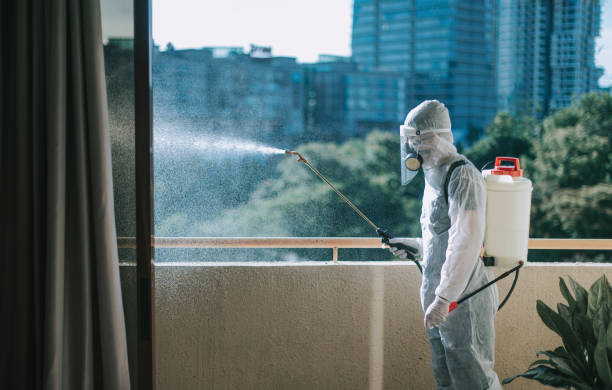
Experienced technicians perform detailed inspections, identify pest entry points, and apply targeted treatments designed for long-term results. Professional pest control companies often provide ongoing maintenance plans that include regular monitoring and preventative treatments.
Many services follow a structured approach that includes inspection, consultation, and treatment to ensure pests are effectively identified and eliminated.
By partnering with pest control experts, property owners can maintain a strong defense against pests year-round.
A Seasonal Routine Makes a Big Difference
Spring pest prevention isn’t a one-time task—it’s an ongoing process. Establishing seasonal routines ensures that potential pest problems are addressed before they escalate.
Routine inspections, property maintenance, sanitation, and professional pest services work together to create a strong protective barrier around homes and businesses.
Consistent prevention is the foundation of successful Residential pest control, Commercial pest control, and Construction pest control strategies.
Frequently Asked Questions
What pests are most common in spring?
Spring often brings increased activity from ants, termites, mosquitoes, cockroaches, spiders, and rodents. These pests become active as temperatures rise and food sources become more available.
How often should pest control treatments be done?
Many pest control companies recommend quarterly treatments to maintain a protective barrier around the property. Regular inspections and treatments help prevent infestations before they become serious problems.
Is professional pest control necessary for homes?
Yes. While homeowners can take preventative steps, professional Residential pest control services provide expert inspections, targeted treatments, and long-term prevention that DIY methods often cannot achieve.
Why is pest control important for businesses?
Pests can damage property, contaminate products, and harm a business’s reputation. Effective Commercial pest control protects employees, customers, and inventory while ensuring health and safety standards are maintained.
What is construction pest control?
Construction pest control involves preventative pest management measures applied during building or renovation projects. These services help prevent termite infestations and other pest issues before the structure is completed.
Spring is the perfect time to take action against pests before they become a major problem. By following this checklist and working with experienced pest control professionals, homeowners, businesses, and builders can protect their properties and enjoy a safer, pest-free season.

Contact Information:
Southern Perimeter LLC
4763 Planer Rd
Effingham, SC 29541
United States
Evan Lee
(843) 601-2791
https://www.southernperimeter.com/
Original Source: https://southernperimeter.com/media-room/#/media-room


