Key Takeaways
- Belgium block edging lasts 50-100 years in New Jersey’s harsh climate, withstanding freeze-thaw cycles and heavy traffic
- Professional installation costs $25-$45 per linear foot, while materials alone range from $8 to $20 per linear foot
- Design options include single or double rows, curved borders, and multiple finishes like split-face, tumbled, and reclaimed
- Beyond curb appeal, Belgium blocks prevent driveway material from shifting and control drainage issues
- Proper installation techniques are crucial for maximizing longevity and preventing costly repairs
Belgium blocks transform ordinary driveways into architectural statements that stand the test of time. These granite edging solutions offer New Jersey homeowners a perfect combination of durability and aesthetic appeal, making them an increasingly popular choice for driveway paving projects throughout the state.
Why Belgium Block Edging Lasts 50-100 Years in NJ’s Harsh Climate
Belgium blocks earn their reputation as the gold standard for driveway edging through their exceptional durability. Crafted from natural granite, these stones resist damage from vehicle weight, harsh weather conditions, and the punishing freeze-thaw cycles that define New Jersey winters. Unlike concrete or plastic alternatives that crack under pressure, Belgium blocks maintain their structural integrity for decades.
The secret lies in granite’s natural composition and the blocks’ individual design. Granite’s low thermal expansion and high density contribute to its stability during temperature fluctuations, while the individual block design allows the overall structure to accommodate seasonal movement without compromising integrity. This stability proves especially valuable in the New York and New Jersey region, where Belgian blocks consistently outperform other materials against heavy vehicle traffic, snow, road salt, and year-round freeze-thaw challenges.
Middlesex County-based Quality Paving & Masonry notes that properly installed Belgian block edging can maintain both its appearance and structural performance for decades, even under New Jersey’s changing seasonal conditions and regular vehicle use. The investment in premium materials pays dividends through reduced maintenance costs and preserved property value over time.
Installation Costs: What NJ Homeowners Actually Pay
Understanding the financial investment required for Belgium block edging helps homeowners make informed decisions about their driveway enhancement projects. The total cost varies significantly depending on whether homeowners choose professional installation or tackle the project themselves.
Professional Installation: $25-$45 Per Linear Foot
Professional Belgium block edging installation in New Jersey typically ranges from $25 to $45 per linear foot, depending on site conditions, block selection, and labor. This pricing includes essential services that ensure long-term performance: proper trenching, base preparation, precise block placement, and concrete securing. The investment covers skilled labor, specialized equipment, and the expertise needed to prevent future shifting or water damage.
Higher-end pricing often reflects complex design requirements, challenging site conditions, or premium block selections. Curved installations, double-row configurations, or projects requiring extensive excavation naturally increase labor costs. However, professional installation provides warranty protection and peace of mind that the edging will perform as intended for decades.
Material-Only Pricing: $8-$20 Per Linear Foot
Homeowners considering DIY installation can expect material costs between $8 and $20 per linear foot. Price variations depend on block size, finish type, and available patterns. Standard gray Belgium blocks typically fall on the lower end of this range, while specialty finishes like tumbled or reclaimed blocks command premium pricing.
Block size significantly impacts both cost and visual impact. Larger blocks create bold, dramatic borders but require higher material investment. Smaller blocks offer more design flexibility and easier handling during installation, making them popular choices for intricate curved designs or detailed pattern work.
Design Options That Transform Your Driveway’s Appeal
Belgium blocks offer remarkable design versatility that allows homeowners to create custom looks tailored to their property’s architectural style. The range of configuration options ensures compatibility with everything from colonial estates to modern minimalist homes.
Single vs. Double Row Configurations
Single-row Belgium block edging provides clean, formal lines that complement traditional driveway designs. This configuration offers cost-effective elegance while delivering all the functional benefits of granite edging. The streamlined appearance works particularly well with asphalt or concrete driveways where subtle definition enhances rather than overwhelms the existing design.
Double-row configurations create bolder, more structured edges that make dramatic visual statements. Homeowners can keep both rows flat for uniform height or mix vertical and flat settings to add dimensional interest. This approach works exceptionally well for wide driveways or properties where the edging serves as a primary design element.
Curved Borders and Pattern Arrangements
Belgium blocks excel at creating gentle curves that soften harsh driveway borders and integrate naturally with landscape designs. Unlike rigid concrete edging, individual blocks can be arranged to follow property contours or create sweeping entrance approaches that guide visitors naturally toward the home.
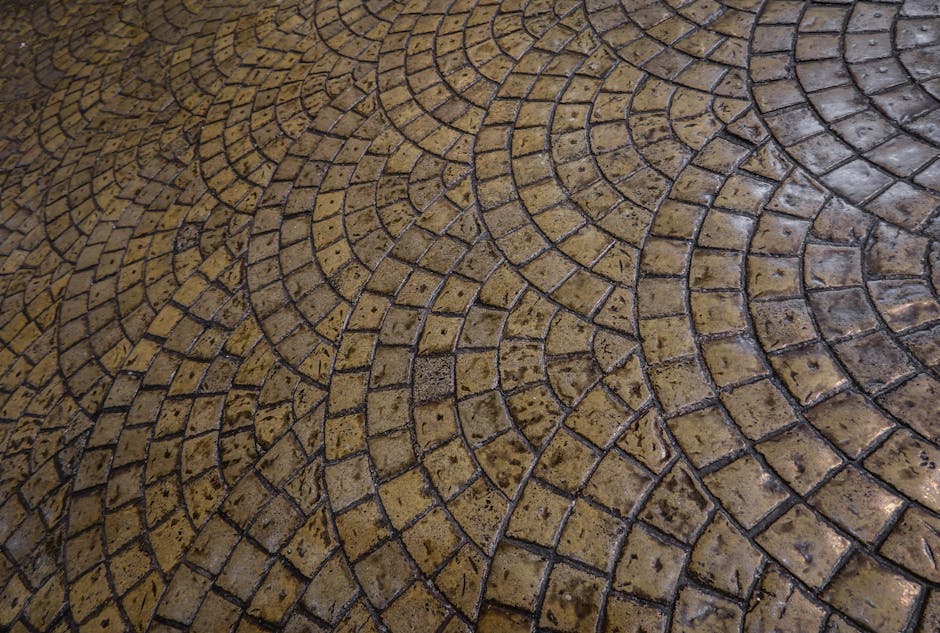
Pattern arrangements open additional design possibilities. Running bond creates a classic, uniform appearance, while staggered joints add visual texture. More elaborate patterns like herringbone or fan arrangements work beautifully for driveway aprons or entrance features, transforming functional spaces into architectural focal points.
Finish Types: Split-Face, Tumbled, and Reclaimed
Surface finish dramatically affects the final appearance of Belgium block installations.
Split-face blocks showcase granite’s natural texture through rough, irregular surfaces that create rugged, substantial borders. This finish complements rustic or traditional home styles while providing excellent traction and visual interest.
Tumbled blocks feature rounded edges and weathered surfaces that simulate natural aging. This antique appearance works beautifully with historic properties or designs seeking old-world charm. The softer edges reduce sharp lines while maintaining granite’s inherent durability.
Reclaimed Belgium blocks offer naturally worn tops and authentic patina from decades of previous use. These blocks bring genuine history to new installations while supporting sustainable building practices. Each reclaimed block tells a unique story through its individual wear patterns and color variations.
Color Choices for Every Home Style
Belgium blocks are available in several natural granite colors that coordinate with diverse architectural styles. Gray blocks provide classic, neutral tones that complement virtually any home color scheme while maintaining timeless appeal. Black blocks create sophisticated, contemporary borders that enhance modern designs and dramatic color contrasts.
Pink and rose varieties add warmth and character to traditional or colonial properties, while buff and yellow tones brighten entrances and coordinate beautifully with earth-tone exteriors. Mixed gray selections combine multiple granite shades within single installations, creating natural color variation that mimics historic stone construction.
Beyond Curb Appeal: Functional Benefits That Save Money
While Belgium block edging dramatically improves property appearance, the functional advantages often provide greater long-term value through reduced maintenance costs and improved driveway performance.
Prevents Driveway Material Shifting and Crumbling
Uncontained driveways suffer gradual material loss as gravel spreads into lawn areas and asphalt edges crumble under vehicle weight. Belgium block edging creates permanent barriers that contain driveway materials within defined borders, eliminating the need for regular re-grading or edge repairs.
The structural support provided by properly installed blocks prevents the edge deterioration that plagues unprotected driveways. Vehicle tires rolling over unsupported driveway edges create stress fractures that eventually require costly repairs. Belgium blocks distribute this weight across their granite mass, protecting the driveway surface from damage.
Controls Drainage and Erosion Issues
Strategic Belgium block placement helps manage water flow around driveways, preventing the erosion problems that create unsightly washouts and expensive repair needs. The blocks can be positioned to direct runoff away from structures while preventing water from undermining driveway foundations.
Proper drainage control also prevents ice formation in problematic areas during the winter months. By channeling water away from high-traffic zones, Belgium block edging reduces slip hazards and minimizes freeze-thaw damage to adjacent surfaces. This drainage management proves especially valuable in New Jersey’s variable climate conditions.
Professional Installation Requirements for Maximum Longevity
The exceptional lifespan promised by Belgium block edging depends entirely on proper installation techniques. Cutting corners during installation inevitably leads to premature failure and costly repairs that eliminate the long-term value proposition.
Proper Trenching and Base Preparation
Successful Belgium block installation begins with adequate excavation that accommodates both the blocks and the necessary base materials. Professional contractors typically excavate trenches 8-12 inches deep, depending on local soil conditions and intended block height. This depth provides sufficient space for a compacted gravel base and proper block positioning.
Base preparation involves installing 4-6 inches of compacted crushed stone that creates a stable, well-draining foundation for the blocks. Proper compaction prevents settling that causes blocks to shift or tilt over time. The base must extend beyond the block footprint to provide lateral support against soil pressure.
Securing Methods That Prevent Shifting
Individual block placement requires precision to ensure proper alignment and consistent height throughout the installation. Professional installers use string lines and laser levels to maintain accurate positioning, preventing the wavy appearance that characterizes amateur installations.
Permanent securing typically involves concrete backfill that locks blocks in position while allowing proper drainage. The concrete must be placed carefully to avoid visible spillage on block faces while providing adequate structural support. Alternative securing methods include specialized adhesives or mechanical fastening systems, depending on specific project requirements.
Quality Paving & Masonry Delivers Premium Belgium Block Edging Results
Ultimately, the lifespan and appearance of Belgium block edging come down to how well the job is done upfront. Soil conditions, drainage planning, base compaction, and accurate block placement all shape how the border holds up over time. Done right, it’s one of the few driveway investments that can genuinely outlast the driveway itself.
Quality Paving & Masonry
100 Main Street
South Plainfield
New Jersey
07080
United States